OUR EXPERIENCE WAS A JOURNEY.

LET US GUIDE YOU ON YOURS.

At Polaris, we’re passionate about sharing our experiences with others. Whether you’re a client, colleague, or peer, our goal is to equip you with the skills and knowledge necessary to solve the challenges your projects present. See below for a selection of our currently approved continuing education courses and technical publications. Don’t see the topic you need? Reach out to us and we’ll connect you with one of our experts.

An Introduction to Forensic Engineering Evaluations

Texas

Engineering Expert Basics

Texas-MCLE

Forensic Engineering Case Studies and Lessons Learned

Texas

Forensic Engineering Foundation Distress Evaluations

Texas

Forensic Engineering Roof Distress Evaluations


Texas

Forensic Engineering Roof Hail Distress Evaluations

Texas

Forensic Engineering Roof Wind Distress Evaluations

Florida and Texas

Forensic Engineering Evaluations


Florida

Forensic Engineering Legal Services


Florida

“Their experts are knowledgeable and personable. And their reports are detailed, organized and easy to understand. Polaris has proven themselves to be a trustworthy partner.”

- Bryan J.

Property Claims Supervisor, Insurance Carrier

Polaris Forensics

An Introduction to Forensic Engineering Evaluations

State:  TX

Course ID:  127834

Credit hours: 1

By attending this course, you will gain a solid understanding of forensic engineering investigations in the context of insurance claims. You will learn when and which type of engineer to engage for various building or equipment issues, and how to verify the engineer’s licensing. Additionally, you will understand the importance of providing a detailed engineering scope of work, including how to ask the right questions. Case studies will illustrate key lessons and common pitfalls.
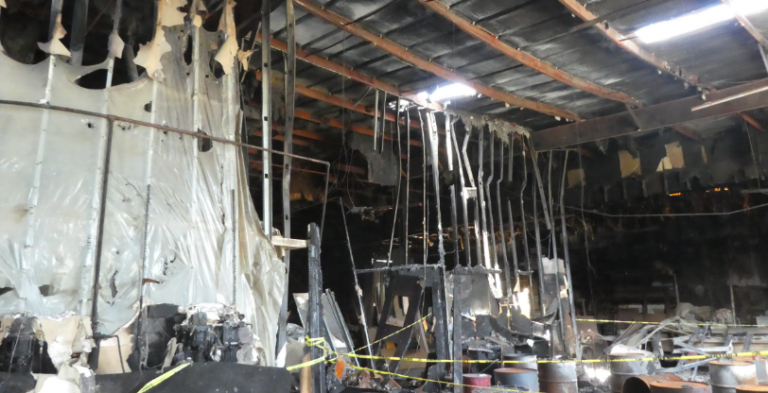
Engineering Expert Basics

State:  TX

Course ID: 128166

Credit hours: 1

Key learning objectives include understanding the basic concepts of forensic engineering, properly assessing the need for an engineer or other expert on a claim, and identifying subrogation potential. This course will help you to manage claim files involving structural and material failures more effectively. Important concepts such as “Standard of Care” will be covered. Additionally, case studies highlighting failure concepts and evidence documentation will be presented.
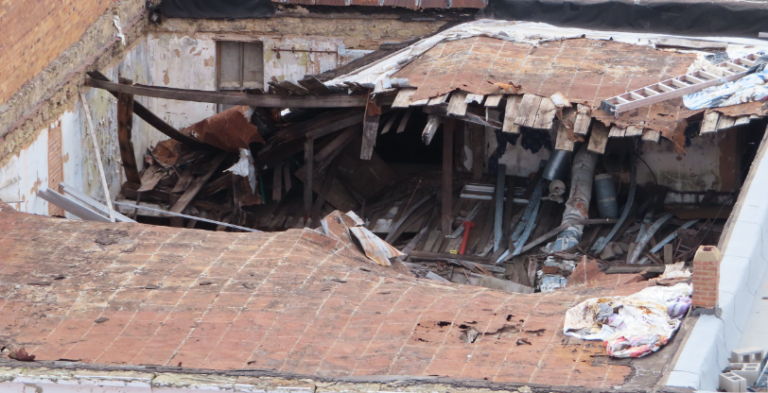
Forensic Engineering Case Studies and Lessons Learned

State:  TX

Course ID: 128730

Credit hours: 1
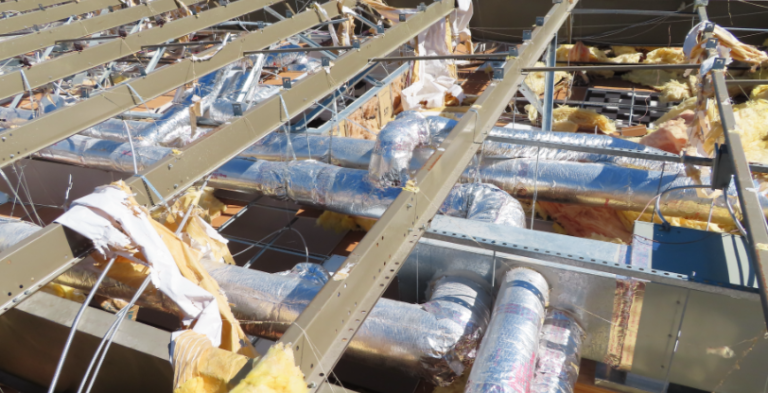
This course aims to educate you on lessons learned from various building-failure-related property claims. Through case studies on topics such as hail damage to roof coverings, wind damage to building envelopes, differential foundation movement, structural failure and collapse, flood damage, explosion forces, design and construction deficiencies, and impact forces from trees or vehicles, the course will highlight causes, contributing factors, patterns of distress, unsafe conditions, evaluation methodologies, and available testing. Key learning objectives include: Understanding basic concepts of forensic engineering and appropriate testing/evaluation methodologies for different property claims. Identifying common patterns of distress in building failures. Recognizing unsafe conditions that warrant prohibiting access to a building. Identifying potential avenues for recovery of repair costs, such as traditional litigation and subrogation. The knowledge gained from this course will help you properly manage claim files involving structural and material failures.

Forensic Engineering Foundation Distress Evaluations

State:  TX

Course ID: 127836

Credit hours: 1
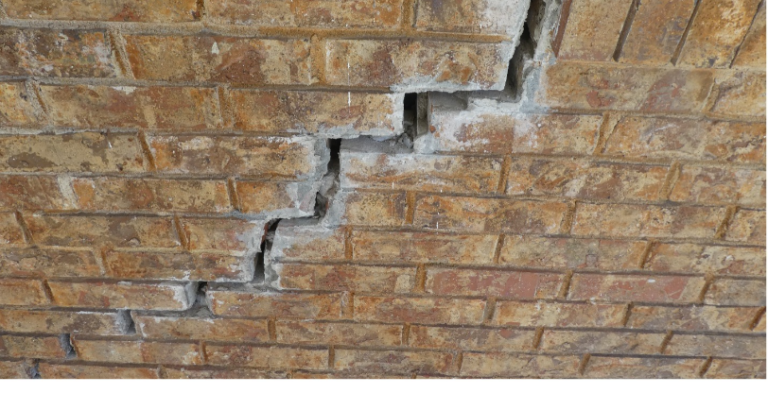
This course will deepen your knowledge of dwelling foundations, focusing on plumbing leaks and other causes of foundation movement. By the end, you will be able to identify different foundation systems and understand how soil properties affect foundation performance. You will learn about common causes of foundation distress, including moisture from plumbing leaks, and gain background on plumbing systems, including when and how to request plumbing tests. Additionally, you will learn the basics of performing engineering foundation evaluations, including elevation surveys and repair options. This knowledge will help you apply insurance coverage, laws, and rules more effectively when making coverage decisions.
Forensic Engineering Roof Distress Evaluations

State:  TX

Course ID: 127837

Credit hours: 1

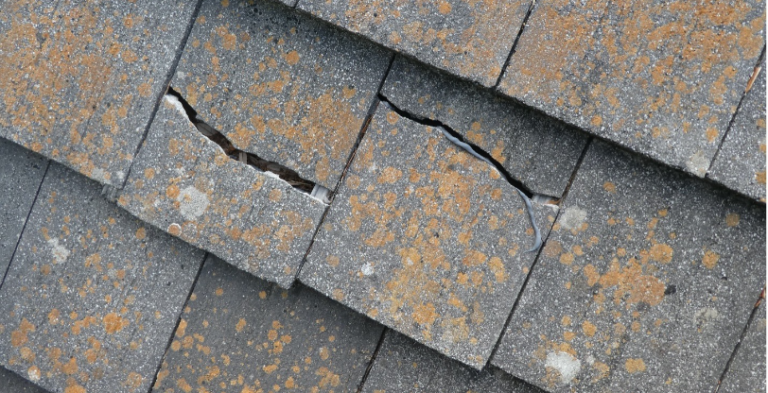
This course will enhance your knowledge and professional competence regarding dwelling roofs, focusing on common causes of roof distress and forensic roof evaluations. By the end, you will be able to identify different roof systems and coverings and understand causes of roof distress such as hail, wind, mechanical damage, and design/installation flaws. You will learn the differences between destructive and non-destructive roof testing, when to request testing, and the benefits of each method. Additionally, you will learn the basics of performing engineering roof evaluations and exploring various repair options. This will help you apply insurance coverage, laws, and rules more effectively when making coverage decisions.
Forensic Engineering Roof Hail Distress Evaluations

State:  TX

Course ID: 135806

Credit hours: 2

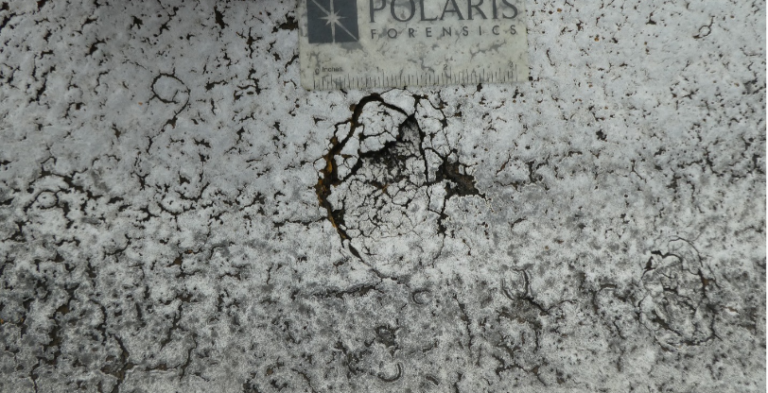
This course will enhance your knowledge and professional competence regarding dwelling roofs, focusing on hail-related distress and forensic roof evaluations. By the end, you will be able to identify different roof systems and coverings, understand common hail-related roof distress, and identify damage unrelated to hail, such as mechanical damage and design/installation deficiencies. You will learn the differences between destructive and non-destructive roof testing, when to request testing, and the benefits of each method. Additionally, you will learn the basics of performing engineering roof evaluations and exploring various repair options. This will help you apply insurance coverage, laws, and rules more effectively when making coverage decisions.

Forensic Engineering Roof Hail Distress Evaluations

State:  TX

Course ID:  137342

Credit hours: 1

This course will enhance your knowledge and professional competence regarding dwelling roofs, focusing on hail-related distress and forensic roof evaluations. By the end, you will be able to identify different roof systems and coverings, understand common hail-related roof distress, and identify damage unrelated to hail, such as mechanical damage and design/installation deficiencies. You will learn the differences between destructive and non-destructive roof testing, when to request testing, and the benefits of each method. Additionally, you will learn the basics of performing engineering roof evaluations and exploring various repair options. This will help you apply insurance coverage, laws, and rules more effectively when making coverage decisions.

Forensic Engineering Roof Wind Distress Evaluations

State: FL

Course ID: 121805

Credit hours: 1

State: TX

Course ID: 135805

Credit hours: 1
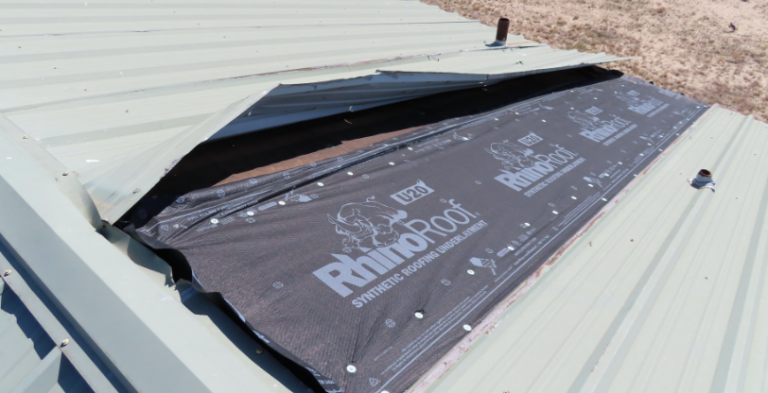
This course aims to enhance your knowledge, understanding, and professional competence regarding a dwelling’s roof, focusing on common wind-related distress and forensic roof evaluations. By the end of the course, you will be able to identify different roof systems and coverings, understand common wind-related roof distress, and recognize manufactured/mechanical damage and design/installation deficiencies unrelated to wind. You will also learn the distinctions between destructive and non-destructive roof testing, when to request testing, and the advantages of each testing methodology. Additionally, you will gain insights into performing engineering roof evaluations and exploring various repair options. This knowledge will help you to apply insurance coverage, laws, and rules effectively when making coverage decisions.

Forensic Engineering Evaluations

State: FL

Course ID: 121804

Credit hours: 1
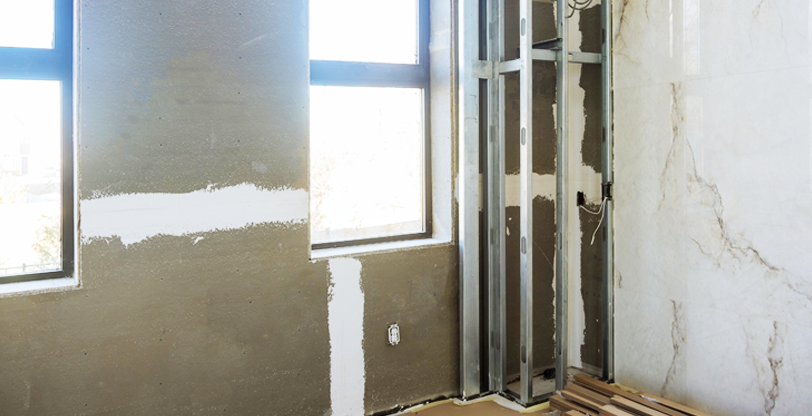
This course will provide you with an understanding of forensic engineering investigations conducted as part of insurance claim evaluations. By the end of the course, you will know when to engage an engineer, which type of engineer is needed for various building or equipment issues, and how to verify the engineer’s licensing. You will also learn the importance of providing a detailed engineering scope of work, including how to frame questions and the necessary level of detail for engineering projects. Case studies will be presented to highlight lessons learned and potential pitfalls.

Forensic Engineering Legal Services

State: FL – CLE

Course ID: 2204892N

Credit hours: 1
The purpose of this course is to educate you on forensic engineering legal services commonly used in property dispute cases. It will present lessons learned from various building-failure-related disputes, covering topics such as hail damage to roof coverings, wind damage to building envelopes and structural systems, foundation movement, structural collapse, flood damage, explosion forces, design deficiencies, and impact forces from trees or vehicles. The course will focus on insights into engineering licensure, basics of building systems (roof, exterior, and structural), causes of failure, patterns of distress, identifying unsafe conditions, evaluation methodologies, and available technology and testing methods.

Parasar Gosain, Ph.D., P.E.

Project Director
Fort Lauderdale, FL

Parasar Gosain is a skilled civil and structural engineer with over five years of experience. He holds a bachelor’s degree in civil engineering from Tribhuvan University, Nepal, a master’s degree, and a Ph.D. in Civil Engineering from Florida International University. As a licensed Professional Engineer (PE), Parasar has extensive expertise in building inspections, structural assessments, and forensic investigations. In addition, he holds a Level II Thermographer certification and a Drone Pilot license, enabling him to conduct thorough and comprehensive investigations with advanced tools and techniques.

Parasar’s unique combination of advanced academic qualifications and hands-on experience allows him to deliver accurate, reliable engineering solutions for complex structural challenges, prioritizing safety, sustainability, and the long-term durability of every project.

Outside of work, he likes to spend time with his wife and friends and exploring different cuisines and new flavors.